
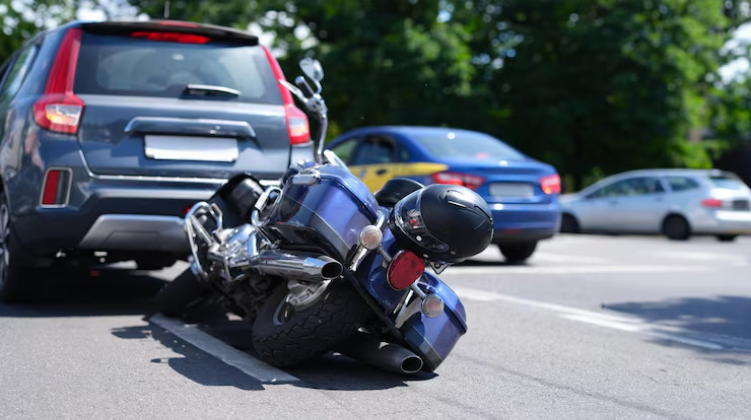

When a broken traffic signal causes a motorcycle crash, liability may fall on a government agency, a maintenance contractor, a construction company, an equipment maker, or another driver. In many cases, more than one party shares the blame.
Brooklyn is New York City’s most populous borough, with many large, dense neighborhoods. Its streets carry heavy traffic through busy corridors like Flatbush Avenue, Atlantic Avenue, and Ocean Parkway, where riders pass dozens of signals on a single trip.
On streets this crowded, a single flashing light can lead to a serious collision, and a motorcycle accident lawyer in Brooklyn, NY, often has to sort out several possible defendants at once. This article explains clearly about who may be liable when a traffic signal malfunction causes a motorcycle crash.
Government Agencies
The city, county, or state agency that owns an intersection is usually responsible for its signals. It may be liable if it knew, or should have known, about a malfunction and failed to fix it promptly.
The Standard Agencies Must Meet
Under 23 CFR § 655.603, the Manual on Uniform Traffic Control Devices (MUTCD) is the national standard for traffic control devices on public roads. It covers signal timing and visibility, so a signal that breaks these rules can support a claim.
Notice Rules and Deadlines
Claims against government bodies often require a notice of claim within a short period. Missing this step can end the case before it starts.
Maintenance Contractors
Many agencies hire private companies to inspect and repair signals. These contractors are responsible for their own careless work.
A contractor may be liable if it:
- Skipped scheduled inspections
- Made faulty or incomplete repairs
- Ignored reports of a broken signal
- Left a signal in an unsafe mode after service
Work orders often show whether the contractor met its duties.
Construction Companies
Road and utility work can damage signal wiring or cut power to an intersection. The company doing the work may then share the blame.
Crews that set up temporary signals in work zones must also make sure those signals operate correctly. A poorly timed temporary light can put riders at risk.
Equipment Manufacturers
Sometimes the signal itself is defective. A faulty controller, sensor, or wiring system can support a product liability claim against the company that made or sold it.
Sensors That Miss Motorcycles
Some signals use sensors to detect waiting vehicles. Poor designs may miss lighter motorcycles, leaving riders stuck at a red light.
Design and Manufacturing Defects
A product may be flawed in its design or built incorrectly. Fault codes and recall notices can help show which defect caused the failure.
Other Drivers
A broken light does not excuse careless driving. Most traffic laws require drivers to treat a dark signal like a four-way stop.
A driver may still be at fault if they:
- Sped through a dark or flashing intersection
- Failed to yield to a rider already crossing
- Were distracted or impaired
Witness statements and dashcam footage often show how each driver reacted.
Final Summary
- Government agencies may be liable if they knew about a broken signal and did not fix it.
- The MUTCD under 23 CFR § 655.603 sets national signal standards.
- Contractors can be responsible for skipped inspections or poor repairs.
- Construction crews may share blame for damaging signals or misusing temporary lights.
- Manufacturers can face product liability for defective controllers or sensors.
- Drivers must still treat a dark signal with caution.