

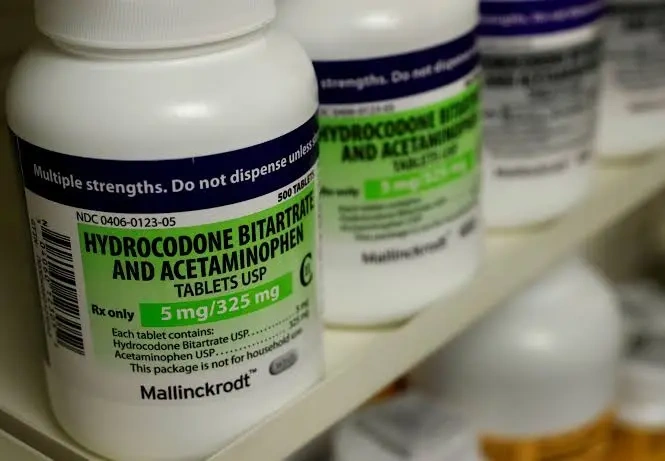
Mallinckrodt Adderall has drawn attention from patients who say their medication felt less effective, inconsistent, or different from generic versions made by other manufacturers. Those experiences have led to growing searches for information about the Mallinckrodt Adderall lawsuit, possible legal claims, and whether a class action or settlement exists.
The legal picture is more complicated than some online discussions suggest. Mallinckrodt has faced significant litigation and bankruptcy proceedings, and the company has also appeared in broader generic-drug antitrust litigation involving amphetamine salts. However, those cases should not be confused with a nationwide product-liability class action claiming that Mallinckrodt’s generic Adderall simply does not work.
This article looks at what patients are reporting, what the available legal records actually show, and where lawsuit and settlement questions stand in 2026.
Why Is the Mallinckrodt Adderall Lawsuit Receiving Attention?
Interest in the Mallinckrodt Adderall lawsuit is largely driven by patients sharing experiences online after receiving generic mixed amphetamine salts manufactured by Mallinckrodt. Some say the medication felt weaker than products they had previously received, while others describe differences in duration or side effects.
These reports appear across medication forums, social platforms, and patient discussions. They are worth acknowledging, but they are still individual experiences. A pattern of complaints can raise questions without proving that a drug was defective or that its manufacturer violated the law.
People searching the topic usually want answers to a few practical questions:
- Has Mallinckrodt actually been sued over Adderall?
- Is there an Adderall class action?
- Has a settlement been reached?
- Can patients submit a claim?
- Have regulators confirmed quality problems?
- What should someone do if the medication feels different?
One distinction matters from the start: Mallinckrodt has been involved in major legal proceedings, but not every Mallinckrodt lawsuit concerns Adderall, and not every case mentioning amphetamine salts involves medication effectiveness.
Current Status of the Lawsuit
There is no verified nationwide settlement providing compensation to patients simply because they believe Mallinckrodt’s generic Adderall was less effective than another manufacturer’s version.
There is also no broadly established claim form or nationwide payout program for those complaints.
Mallinckrodt does, however, appear in broader litigation involving generic pharmaceuticals. One notable example is multidistrict antitrust litigation alleging price-fixing and market allocation involving numerous generic drug manufacturers and products.
Amphetamine salts are among the drugs discussed in that litigation, and Mallinckrodt is among the manufacturers named in allegations concerning the generic-drug market.
That is an important legal development, but it concerns alleged anticompetitive pricing conduct—not allegations that Mallinckrodt’s Adderall delivered an ineffective dose.
| Legal Question | Current Public Status |
|---|---|
| Nationwide effectiveness settlement | No verified settlement identified |
| Class action payout for patients | No verified general payout identified |
| Public effectiveness claim form | No verified general claim process |
| Patient complaints | Widely discussed online |
| Generic-drug antitrust litigation | Documented litigation exists |
| Amphetamine salts involved in antitrust allegations | Yes |
| Mallinckrodt bankruptcy proceedings | Documented |
| FDA finding that Mallinckrodt Adderall is ineffective | No such finding identified |
The differences between these issues are important. A company can be involved in litigation without every legal dispute supporting the claims patients are discussing online.
What Are Consumers Alleging?
Patient concerns tend to focus on how the medication feels after a switch in manufacturer rather than on obvious physical defects in the tablets.
Some users describe a noticeable change even when their prescribed dosage remained the same. Others report little or no difference.
Individual response to stimulant medication can vary, so these reports need to be treated as experiences rather than proof of a manufacturing problem.
Reduced Effectiveness
One of the most common complaints is that Mallinckrodt’s generic mixed amphetamine salts feel less effective than products from other manufacturers.
Some patients describe reduced focus, weaker symptom control, or effects that seem to wear off sooner than expected. These experiences often become noticeable after a pharmacy switches the manufacturer used to fill a prescription.
Patient reports can help identify questions worth investigating, but they cannot establish on their own that a particular batch failed regulatory standards.
Inconsistent Performance
Another recurring complaint is that the medication seems to perform differently between refills.
A patient might feel that one prescription works normally while the next feels weaker, even though the dosage shown on the label has not changed.
Possible factors can include:
- Individual metabolism
- Changes in health or sleep
- Other medications
- Differences in inactive ingredients
- Storage conditions
- Changes between manufacturers
- Normal variation in treatment response
Without testing and medical evaluation, it can be difficult to identify the reason for a perceived change.
Unexpected Side Effects
Patients also discuss side effects they noticed after changing manufacturers.
Reported experiences include headaches, anxiety, fatigue, changes in mood, increased heart rate, and difficulty concentrating.
These symptoms are not necessarily evidence of a defective drug. Amphetamine products already carry known risks and potential adverse effects, and individual responses vary.
Does a Consumer Complaint Automatically Mean the Medication Was Defective?
No. A complaint can be genuine without proving that the medication itself was defective.
A patient’s response can change because of dosage, health conditions, other medications, sleep, diet, treatment history, or individual physiology. Establishing a pharmaceutical defect generally requires considerably more evidence than an online review.
That evidence might include manufacturing records, laboratory testing, medical documentation, expert analysis, regulatory findings, or evidence connecting a particular defect with an injury.
This distinction is especially relevant here because there is a documented FDA history involving a different Mallinckrodt ADHD medication that is sometimes mixed into discussions about Adderall.
Do Not Confuse Mallinckrodt Adderall With the Generic Concerta Issue
The FDA previously raised therapeutic-equivalence concerns involving Mallinckrodt’s generic version of Concerta, which contains methylphenidate hydrochloride extended-release.
That was not Adderall.
FDA reported receiving insufficient-effect reports for Mallinckrodt’s generic Concerta and ultimately changed its therapeutic-equivalence rating from AB to BX. The agency’s concern centered on whether that extended-release methylphenidate product provided the same therapeutic effect as Concerta.
This history may help explain why older discussions about Mallinckrodt ADHD drugs sometimes appear in searches about Adderall. Still, it would be inaccurate to take the FDA’s Concerta findings and apply them directly to Mallinckrodt mixed amphetamine salts.
Understanding Generic Adderall Quality Standards
Generic medications sold in the United States must satisfy FDA requirements before they can be marketed.
An approved generic is expected to have the same active ingredient, strength, dosage form, route of administration, and intended use as its reference product. Generic manufacturers must also comply with applicable manufacturing and quality requirements.
Generics can differ in certain inactive ingredients.
Those differences sometimes become important to individual patients, particularly when someone notices a change after switching manufacturers. They do not automatically mean one generic is defective or inferior.
Quality controls can include:
- Manufacturing requirements
- Identity and strength testing
- Purity requirements
- Stability testing
- Regulatory inspections
- Ongoing post-market oversight
Approval also does not guarantee that every patient will describe an identical experience with every manufacturer’s product.
Mallinckrodt Adderall Quality Concerns in 2026
Patient discussions about Mallinckrodt mixed amphetamine salts continue to include questions about effectiveness, consistency, and differences between manufacturers.
The available evidence needs to be interpreted carefully.
Online reports show that some patients perceive meaningful differences. What they do not establish by themselves is a confirmed manufacturing defect affecting Mallinckrodt Adderall generally.
There is another source of confusion: FDA’s documented concerns with Mallinckrodt’s generic Concerta are sometimes cited as though they involved Adderall. They did not. Concerta is methylphenidate extended-release, while Adderall contains mixed amphetamine salts.
For someone experiencing a sudden change in treatment response, identifying the manufacturer on the prescription and discussing the change with the prescriber or pharmacist is more useful than assuming the cause from online reports.
Generic Drug Price-Fixing Litigation and Amphetamine Salts
One real legal issue involving amphetamine salts deserves separate attention.
Large-scale antitrust litigation has accused numerous generic pharmaceutical manufacturers of coordinating prices and allocating markets for generic drugs. Court filings in the federal generic-pharmaceutical antitrust litigation discuss amphetamine salts among the drugs at issue.
The allegations include Mallinckrodt alongside manufacturers such as Teva, Sandoz, Impax, and Aurobindo in connection with amphetamine salts.
The complaints allege that competition was improperly restricted and prices artificially inflated. Those remain legal allegations subject to the judicial process.
Is This an Adderall Effectiveness Lawsuit?
No.
This distinction is essential for readers searching specifically for an Adderall lawsuit.
The generic-drug antitrust litigation concerns alleged pricing and competition practices. It does not establish that Mallinckrodt’s mixed amphetamine salts were chemically defective, delivered inconsistent doses, or failed to treat ADHD properly.
It is relevant because amphetamine salts are involved, but it answers a different legal question.
Mallinckrodt Adderall Reviews: Why Experiences Differ
Patient reviews are mixed.
Some people report adequate symptom control with Mallinckrodt’s product, while others prefer generic mixed amphetamine salts from another manufacturer.
Several factors can affect those experiences:
- Individual metabolism
- Dosage
- Treatment history
- Other medications
- Sleep and diet
- Existing health conditions
- Sensitivity to inactive ingredients
- Expectations after using another manufacturer’s product
A patient’s preference for one generic manufacturer can be meaningful for their treatment without proving that another manufacturer’s medication fails FDA requirements.
This is why reviews are most useful as descriptions of individual experience rather than rankings of which generic is objectively “best.”
Common Mallinckrodt Adderall Complaints
Several themes recur in patient discussions.
Reported complaints include:
- Medication feeling weaker than a previous generic
- Effects wearing off sooner than expected
- Difficulty maintaining concentration
- Fatigue or drowsiness
- Headaches
- Anxiety or nervousness
- Differences between refills
- Changes noticed after switching manufacturers
These reports help explain why the lawsuit topic receives search interest.
They should not, however, be converted into claims of a confirmed manufacturing defect unless reliable evidence supports that conclusion.
Mallinckrodt Adderall vs. Teva
Teva is frequently mentioned in patient comparisons because it is another manufacturer associated with generic mixed amphetamine salts.
Online discussions often contain strong preferences, but there is no universal response.
Perceived Effectiveness
Some patients say they prefer Teva because its product feels more consistent with medication they previously received. Other patients report good results with Mallinckrodt or little noticeable difference between manufacturers.
These accounts are subjective.
A preference can be clinically relevant to the individual patient, but reviews alone cannot establish that one FDA-approved manufacturer’s product is universally superior.
Availability
Patients do not always choose which generic manufacturer they receive.
Pharmacy inventory, wholesaler supply, shortages, insurance arrangements, and regional availability can affect which product is dispensed.
Someone who wants to know the manufacturer of a prescription can ask the pharmacy directly.
Individual Response
Two patients taking the same dosage can have different experiences.
Genetics, metabolism, medical history, other medications, ADHD symptoms, and sensitivity to inactive ingredients may all affect treatment response.
A patient who notices a consistent difference after a manufacturer change should discuss that pattern with their prescriber rather than changing the dose independently.
Mallinckrodt Adderall Side Effects
Mixed amphetamine salts can cause side effects regardless of manufacturer.
Potential effects associated with amphetamine stimulant treatment can include:
- Loss of appetite
- Dry mouth
- Insomnia
- Headache
- Increased heart rate
- Nervousness
- Anxiety
- Irritability
More serious reactions can occur and warrant prompt medical attention.
The presence of a known side effect does not automatically establish that a particular generic was defective. The timing, dosage, medical history, other medications, and severity of the reaction all matter.
Mallinckrodt Adderall Ingredients
Generic Adderall formulations use mixed amphetamine salts as their active drug components.
The active components generally involve:
- Amphetamine aspartate
- Amphetamine sulfate
- Dextroamphetamine saccharate
- Dextroamphetamine sulfate
Generic tablets also contain inactive ingredients needed for manufacturing, stability, appearance, and tablet formation.
The precise inactive ingredients can vary by strength and formulation, so patients looking for ingredient information should use the labeling for the exact product and dosage they received rather than relying on a generic online list.
Some patients believe inactive-ingredient differences affect how they respond to different manufacturers. That may be worth discussing with a pharmacist or prescriber, but it should not automatically be treated as evidence of a defective medication.
What About Mallinckrodt Adderall XR?
This part of the topic requires caution because online discussions often use “Adderall,” “generic Adderall,” and “Adderall XR” loosely.
Immediate-release and extended-release amphetamine products are not interchangeable descriptions, and manufacturers may not supply every formulation or strength that patients discuss online.
Before attributing an XR product to Mallinckrodt, patients should check the prescription label, National Drug Code information, or ask the dispensing pharmacy to confirm the manufacturer.
The same principle applies to complaints. A report about one amphetamine formulation should not automatically be treated as evidence concerning another formulation.
Mallinckrodt Bankruptcy and What It Means for Lawsuit Searches
Mallinckrodt’s broader legal history includes substantial bankruptcy proceedings, but those proceedings should not be described as an “Adderall bankruptcy.”
The company entered Chapter 11 proceedings in August 2023 in the U.S. Bankruptcy Court for the District of Delaware. Its reorganization plan was confirmed in October 2023, and the company emerged from those proceedings in November 2023.
Mallinckrodt’s financial and legal problems involved major liabilities beyond ADHD medication.
Was Mallinckrodt’s Bankruptcy Caused by Adderall Claims?
The available records do not support describing the 2023 bankruptcy as being caused by Mallinckrodt Adderall effectiveness complaints.
Mallinckrodt has faced extensive litigation involving other products and business practices, particularly opioid-related liabilities and Acthar Gel.
For example, Mallinckrodt-related entities previously reached a federal settlement concerning Medicaid rebates and alleged kickbacks involving Acthar Gel. That settlement should not be presented as compensation for Adderall patients.
The distinction prevents a large Mallinckrodt settlement from being mistakenly interpreted as an Adderall payout.
Who May Consider Speaking With an Attorney?
Not every disappointing medication experience creates a viable legal claim.
Someone who believes they suffered significant harm may still choose to speak with an attorney, particularly when there is documentation connecting the alleged problem to a specific prescription or product.
Potentially useful circumstances can include:
- Serious documented medical complications
- Significant financial loss
- Evidence relating to a particular product or batch
- Medical records documenting the event
- Pharmacy and prescription records
- Questions about eligibility in existing litigation
An attorney can evaluate the facts under the law that applies to the individual’s situation.
A consultation does not mean a case necessarily exists or that compensation is guaranteed.
Evidence That May Be Helpful
Keeping records is useful when a patient is trying to understand what happened, even if no lawsuit is ultimately filed.
Relevant documents can include:
- Prescription records
- Pharmacy receipts
- Medication bottles or packaging
- Manufacturer information
- National Drug Code details
- Lot numbers where available
- Medical records
- Physician notes
- Records of reported adverse events
- Communications with the pharmacy or prescriber
Dates are particularly useful because they can show when a manufacturer changed and when a patient first noticed a difference.
Documentation does not prove liability, but it gives medical or legal professionals something concrete to evaluate.
Has There Been a Settlement?
There is no verified nationwide settlement specifically paying patients because Mallinckrodt generic Adderall allegedly felt less effective or inconsistent.
That statement should be separated from Mallinckrodt’s other settlements.
The company and related entities have been involved in substantial settlements and bankruptcy proceedings concerning other matters. Those legal resolutions do not automatically give Adderall patients a right to compensation.
| Settlement Question | Current Public Information |
|---|---|
| Nationwide Adderall effectiveness settlement | No verified settlement identified |
| General patient payout | None verified |
| Public claim form for effectiveness complaints | None verified |
| Generic-drug antitrust litigation | Separate litigation exists |
| Mallinckrodt settlements involving other drugs/issues | Yes |
| Automatic eligibility for Adderall users | No |
If a genuine class settlement develops, it should be possible to trace it to a court case, settlement administrator, eligibility definition, deadline, and court-approved documents.
A page mentioning a large Mallinckrodt settlement without explaining what the underlying case involved can be misleading.
What Patients Should Know Going Forward
Patients who feel their prescription is working differently should avoid changing the dosage or stopping treatment solely because of online discussions.
A more practical first step is to identify the manufacturer and speak with the prescribing clinician or pharmacist.
Patients can also:
- Record when the change in effectiveness began.
- Keep the medication packaging and prescription information.
- Ask whether the manufacturer changed between refills.
- Discuss unexpected effects with the prescriber.
- Report suspected quality problems or adverse events through appropriate FDA channels.
- Seek legal advice when there is significant documented harm.
Most importantly, keep separate the three issues commonly mixed together online: patient complaints about Mallinckrodt mixed amphetamine salts, generic-drug antitrust litigation involving amphetamine salts, and FDA’s historical concerns about Mallinckrodt generic Concerta. They are not the same issue.
Read: The Wellness Company Lawsuit
Read: MyChart Lawsuit Settlement
Read: Cora Pads Lawsuit
Read: Cora Tampons Lawsuit
Read: Exploring CNLawBlog
Read: Trellis Law
Frequently Asked Questions
Is there an active Mallinckrodt Adderall lawsuit?
There is documented generic-drug antitrust litigation involving amphetamine salts and Mallinckrodt, but that should not be confused with a verified nationwide class action claiming Mallinckrodt Adderall is ineffective.
Has Mallinckrodt Adderall been recalled?
The FDA history frequently cited online involves Mallinckrodt’s generic Concerta (methylphenidate ER), not Adderall. Patients should check current FDA notices for recalls affecting their exact product rather than assuming the Concerta action applied to mixed amphetamine salts.
Can I receive compensation for Mallinckrodt Adderall complaints?
There is no verified nationwide compensation program simply for patients who report reduced effectiveness. Individual legal rights depend on the circumstances and evidence involved.
Why do some patients prefer Teva over Mallinckrodt?
Patients sometimes report differences in effectiveness, duration, or tolerability between manufacturers. Those experiences are individual and do not establish that one manufacturer’s product is universally better.
Should I stop taking Mallinckrodt Adderall if it isn’t working as expected?
Do not change or discontinue a prescribed stimulant based solely on online reports. Discuss the change with the prescribing healthcare professional or pharmacist, particularly if symptoms or side effects have changed.
Conclusion
Interest in the Mallinckrodt Adderall lawsuit comes from a mixture of real legal history and patient experiences that are sometimes blended together online. Patients have reported concerns about effectiveness and consistency, while separate federal antitrust litigation has included allegations involving amphetamine salts and generic-drug manufacturers such as Mallinckrodt.
The distinction is important. The antitrust allegations concern pricing and competition, while FDA’s well-documented therapeutic-equivalence concerns involving a Mallinckrodt ADHD medication concerned generic Concerta, not Adderall. There is currently no verified nationwide settlement paying Mallinckrodt Adderall patients simply for reduced effectiveness complaints.
Anyone following the issue should therefore look at the exact drug, manufacturer, legal case, and regulatory record involved rather than treating every Mallinckrodt lawsuit as an Adderall case. That approach gives a much clearer picture of what has actually been documented and what remains based on patient reports.