
Dwayne “The Rock” Johnson’s connection to ZOA Energy has led many consumers to search for information about the Dwayne Johnson Energy Drink Lawsuit. The legal dispute is real, but an important distinction is often lost in headlines: the defendant is ZOA Energy, LLC, not Johnson personally.
The case centers on allegations that certain ZOA Energy drinks were marketed with a “0 Preservatives” statement even though they contained citric acid and ascorbic acid. ZOA denied the allegations and maintained that its labeling and marketing were truthful and legally compliant. A proposed $3 million class action settlement was subsequently reached.
Below is a detailed look at what the lawsuit alleges, Johnson’s actual role, settlement eligibility, caffeine and ingredient questions, and the latest publicly available status in 2026.
Why People Are Searching for the Dwayne Johnson Energy Drink Lawsuit
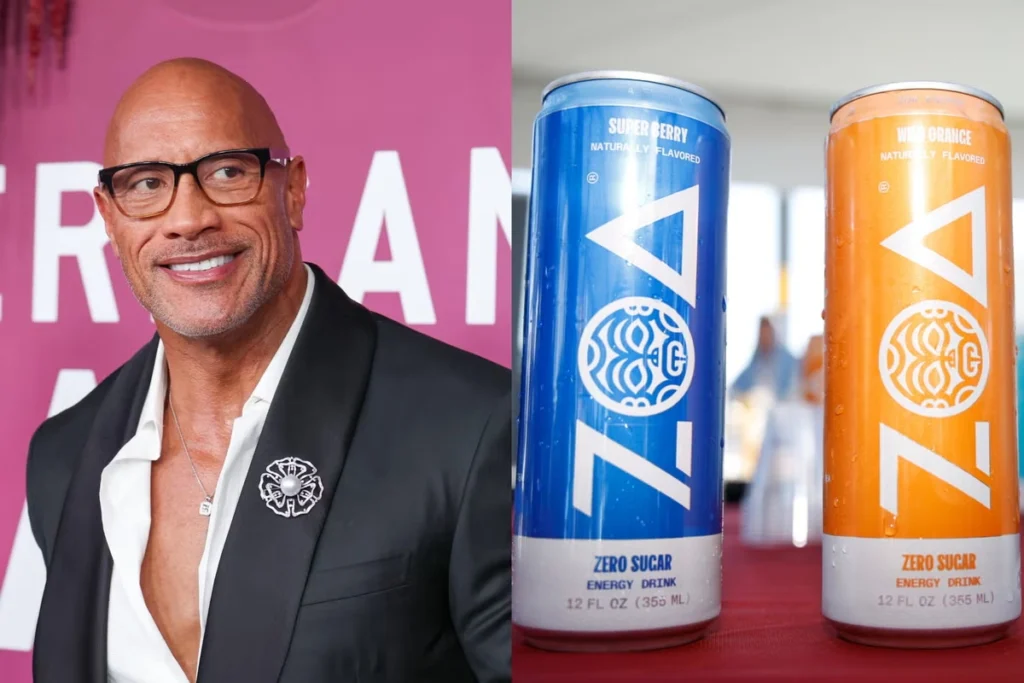
Interest in the lawsuit grew because ZOA is closely associated with Dwayne Johnson, one of the brand’s co-founders and its highly visible Chief Energy Officer. His name and image have appeared prominently in ZOA marketing, so headlines about legal action against the company naturally became associated with him.
The underlying case is Mikhail Gershzon v. ZOA Energy, LLC, Case No. 3:23-cv-5444-JD, pending in the U.S. District Court for the Northern District of California. The dispute concerns product labeling rather than allegations of misconduct personally committed by Johnson.
Consumers have primarily been searching for answers to several questions: whether the lawsuit is legitimate, what ZOA allegedly did wrong, whether Johnson was personally sued, whether a settlement was reached, and whether purchasers could receive money.
The $3 million proposed settlement generated additional attention because eligible consumers who timely submitted valid claims could potentially receive compensation.
Understanding ZOA Energy and Dwayne Johnson’s Role
ZOA Energy was developed by co-founders Dwayne Johnson, Dany Garcia, Dave Rienzi, and John Shulman. ZOA identifies Johnson as its Chief Energy Officer, and he has remained one of the most recognizable public faces of the company.
That association does not mean Johnson is personally the defendant in the class action. The named defendant is ZOA Energy, LLC.
The ownership structure has also evolved. In 2024, Molson Coors Beverage Company took a majority ownership stake in ZOA. Molson Coors reported that its ownership interest reached 51%, while Johnson was expected to remain a visible face of the brand.
This distinction matters when interpreting online references to a “Dwayne Johnson lawsuit.” Celebrity association can make a case sound as though the celebrity is personally accused of wrongdoing when the actual defendant is a company connected to that celebrity.
Is There an Active Dwayne Johnson Energy Drink Lawsuit?
Yes, there is a genuine class action involving ZOA Energy, but describing it simply as a lawsuit “against Dwayne Johnson” is misleading.
The case is Gershzon v. ZOA Energy, LLC. It alleges that ZOA improperly represented certain energy drinks as containing “0 Preservatives.” The plaintiff contends that this statement was misleading because the products contained citric acid and ascorbic acid, which the lawsuit alleges function as preservatives.
ZOA denied the allegations. According to the court-authorized settlement information, the company maintains that its labeling and marketing were truthful, accurate, and compliant with applicable law.
| Key Question | Current Information |
|---|---|
| Is there a ZOA lawsuit? | Yes |
| Case | Gershzon v. ZOA Energy, LLC |
| Court | U.S. District Court, Northern District of California |
| Case Number | 3:23-cv-5444-JD |
| Main allegation | Misleading “0 Preservatives” labeling |
| Settlement fund | $3 million |
| Did ZOA admit wrongdoing? | No |
| Is Dwayne Johnson the named defendant? | No |
| Claim deadline | February 20, 2026 |
The parties agreed to settle rather than continue litigating the dispute. A settlement does not itself establish that the allegations were proven.
What Is the ZOA Energy Drink Lawsuit About?
The core issue is straightforward: what did consumers reasonably understand when they saw the phrase “0 Preservatives” on ZOA Energy products?
Plaintiff Mikhail Gershzon alleged that ZOA’s representation was misleading because the drinks contained citric and ascorbic acids. Based on the labeling allegations, the plaintiff asserted claims involving California consumer-protection and false-advertising laws, breach of warranty, and restitution based on quasi-contract or unjust enrichment.
ZOA disputes that characterization and has not admitted liability.
Marketing and Advertising Claims
Consumer advertising cases often focus on whether a representation would likely mislead a reasonable consumer.
Here, the disputed representation was the statement “0 Preservatives.” The plaintiff alleged that purchasers relied on this type of labeling when deciding whether to buy ZOA products and that the presence of citric and ascorbic acids made the representation misleading.
The case therefore concerns the accuracy and legal significance of the product’s marketing rather than whether ZOA Energy existed, whether consumers actually received an energy drink, or whether Dwayne Johnson personally made a false statement to individual buyers.
Ingredient Transparency
Ingredient transparency can become legally significant when a company’s front-label advertising appears inconsistent with the ingredients disclosed elsewhere on the package.
ZOA products have disclosed ingredients such as citric acid and ascorbic acid. The dispute is not simply whether those substances appeared on an ingredient list. Instead, the plaintiff challenged whether ZOA could simultaneously include those ingredients and advertise the product using the “0 Preservatives” representation.
That distinction is central to understanding the litigation.
Consumer Protection Concerns
Consumer-protection laws generally prohibit deceptive or misleading business practices. In this case, the plaintiff asserted claims under California statutes including the Unfair Competition Law, False Advertising Law, and Consumers Legal Remedies Act.
Those allegations should not be confused with a judicial finding that ZOA violated those laws. ZOA denied the allegations, and the settlement was reached without the court deciding the merits in favor of either side.
Product Labeling Claims
Product-labeling litigation frequently turns on the wording consumers encounter when making purchasing decisions.
The ZOA dispute specifically targeted products carrying the “0 Preservatives” statement. That limitation is important because the settlement class is defined by purchases of ZOA Energy drinks bearing that representation during a specified period.
The settlement therefore does not automatically cover every ZOA product ever sold.
What Ingredients Are in ZOA Energy Drinks?
ZOA formulas can differ by flavor, product type, size, and formulation period, so consumers should review the label on the specific product they are purchasing.
A listed 12-ounce Wild Orange ZOA Energy product, for example, includes carbonated water, citric acid, natural flavors, sodium citrate, potassium citrate, natural caffeine, ascorbic acid, amino acids, sweeteners, green tea extract, vitamins, and other ingredients.
The two ingredients most relevant to the lawsuit are citric acid and ascorbic acid.
Their presence does not by itself establish that ZOA committed false advertising. The legal dispute concerns whether the “0 Preservatives” representation was misleading given the ingredients and their alleged functions.
Consumers interested in a particular ZOA formulation should rely on the current product label rather than assuming that every flavor or product uses an identical formula.
How Much Caffeine Does ZOA Energy Drink Contain?
ZOA’s current FAQ states that its 12-ounce energy drink contains 160 mg of caffeine, while a 16-ounce serving contains 210 mg. ZOA+ Pre-Workout contains 200 mg, according to the company.
ZOA states that the caffeine in its energy drinks comes from green coffee and green tea.
Caffeine Content Per Serving
The amount depends on the product and serving size.
| ZOA Product | Reported Caffeine |
|---|---|
| ZOA Energy 12 oz | 160 mg |
| ZOA Energy 16 oz | 210 mg |
| ZOA+ Pre-Workout | 200 mg |
These figures reflect ZOA’s current product information and should not automatically be applied to older formulations. ZOA has previously changed its formula, including increasing caffeine levels.
What Consumers Should Know About Caffeine Intake
Caffeine affects people differently. Body size, tolerance, medications, health conditions, pregnancy, other caffeine consumption, and individual sensitivity can influence its effects.
Consumers should therefore pay attention to total daily caffeine intake rather than looking only at the amount in one can.
This issue should also be kept separate from the principal allegations in the ZOA class action. The settlement focuses on the “0 Preservatives” representation, not on a claim that the disclosed caffeine amount itself caused the class-wide labeling dispute.
Has ZOA Energy Drink Been Recalled?
The class action settlement should not be confused with a product recall.
A recall generally involves removing or correcting products because of a safety, regulatory, manufacturing, contamination, or labeling concern. A consumer class action, by contrast, can involve allegations that purchasers suffered an economic injury because advertising or labeling was misleading.
The settlement materials for Gershzon v. ZOA Energy, LLC concern the “0 Preservatives” labeling allegation and monetary or other settlement relief. They do not characterize the matter as a nationwide safety recall.
Consumers should be cautious when social-media posts use terms such as “recall,” “lawsuit,” and “settlement” interchangeably. They describe different legal or regulatory events.
Have Consumers Reported Side Effects From ZOA Energy?
As with other caffeinated energy drinks, individual consumers may report experiences such as feeling jittery, having difficulty sleeping, or feeling uncomfortable after consuming caffeine. Such reports do not automatically establish that a product is defective or caused a legally compensable injury.
ZOA’s current products contain substantial amounts of caffeine, including 160 mg in a 12-ounce energy drink and 210 mg in a 16-ounce serving.
More importantly, the current class action should not be mischaracterized as a mass personal-injury case about caffeine side effects. Its central allegation concerns the “0 Preservatives” labeling statement.
Someone experiencing a serious reaction after consuming an energy drink should seek appropriate medical advice rather than relying on lawsuit discussions or social-media posts to determine the cause.
Could ZOA’s Marketing Claims Lead to a Lawsuit?
They already have.
The Gershzon litigation demonstrates how marketing language can create legal exposure when consumers allege that a prominent product claim conflicts with the product’s actual composition.
The plaintiff alleged that the “0 Preservatives” representation affected purchasing decisions and was misleading because ZOA products contained citric and ascorbic acids. ZOA denies that its marketing was misleading.
Similar disputes can arise when companies make claims involving:
- “No preservatives” or “preservative free”
- “Natural” ingredients
- Health or wellness benefits
- Ingredient sourcing
- Nutritional characteristics
- Product performance
Whether any particular statement violates consumer-protection law depends on its wording, context, evidence, applicable statutes, and how a reasonable consumer would likely interpret it.
Is There a ZOA Energy Class Action Lawsuit?
Yes. Gershzon v. ZOA Energy, LLC is a class action involving purchasers of certain ZOA Energy drinks.
The proposed settlement class generally includes U.S. residents who purchased a ZOA Energy drink labeled “0 Preservatives” in the United States for personal consumption, rather than resale or distribution, between March 1, 2021 and November 21, 2025.
The lawsuit sought relief based on alleged economic harm from the disputed labeling.
This is important for consumers searching specifically for a “ZOA class action.” The case is not merely an online rumor or collection of consumer complaints. It is an identifiable federal court proceeding with a court-authorized settlement website and case number.
Has There Been a ZOA Energy Settlement?
Yes. ZOA agreed to establish a $3 million settlement fund to resolve the class action, while denying the plaintiff’s allegations and without admitting wrongdoing.
Under the settlement terms, eligible class members who timely submitted valid claims could seek payments based on qualifying purchases.
Consumers with acceptable proof of purchase could claim $1 per unit, up to $150 per household. Those without proof could claim $1 per unit, subject to a maximum of $10 per household. Payment amounts could be affected by the number of approved claims and other settlement terms.
The deadline to submit a claim was February 20, 2026, so the claims period has closed.
Has There Been a ZOA Settlement Payout Date?
There was no guaranteed calendar payout date stated in the settlement notice.
The settlement materials explained that payments would depend on final court approval and the resolution of any appeals. The final approval hearing was scheduled for March 26, 2026.
As of the latest publicly available information reviewed for this article, the authorized settlement website still describes the settlement in preliminary-approval terms and does not display a confirmed distribution date.
That means consumers should be cautious with websites presenting an estimated payment window as a guaranteed payout date.
The safest source for payment updates is the court-authorized ZOA Settlement website.
Is Dwayne Johnson Personally Involved in a ZOA Lawsuit?
Dwayne Johnson is closely connected to ZOA as a co-founder and public face of the brand, but he is not the named defendant in Gershzon v. ZOA Energy, LLC.
The defendant identified in the settlement materials is ZOA Energy, LLC.
That legal distinction is important.
A celebrity can be a founder, investor, spokesperson, executive, or advertising figure for a company without automatically becoming personally liable for every lawsuit filed against that company.
Johnson’s visibility explains why people commonly refer to the matter as the Dwayne Johnson Energy Drink Lawsuit, but the formal case concerns ZOA Energy.
Could Future ZOA Energy Lawsuits Be Filed?
Potentially. Any consumer-products company can face future litigation if plaintiffs believe they have valid legal claims.
That does not mean additional lawsuits are inevitable.
Future claims could theoretically involve advertising, labeling, contractual disputes, product liability, employment matters, intellectual property, or other issues. Each case would need its own factual and legal basis.
The current settlement also contains releases affecting settlement class members and covered claims. Consumers considering separate legal action involving the same labeling allegations would need to understand whether they fall within the settlement class, whether they opted out, and what claims were released.
How Celebrity-Backed Brands Can Become Litigation Targets
Celebrity-backed businesses often receive unusually high public attention. A recognizable name can accelerate sales, brand awareness, and consumer trust, but it can also magnify scrutiny when disputes arise.
ZOA provides a useful example. Johnson has been deeply involved in the company’s public identity, even though Molson Coors subsequently acquired a majority stake. Molson Coors stated in 2024 that Johnson would continue as a visible face of ZOA.
When a lawsuit is filed against such a brand, consumers may associate the litigation directly with the celebrity.
Legally, however, courts look at the actual parties, alleged conduct, corporate structure, and causes of action. Celebrity recognition does not replace those details.
Energy Drink Lawsuits and Consumer Protection Claims
Energy drink companies operate in a competitive market where advertising often emphasizes energy, performance, ingredients, vitamins, sugar content, and lifestyle benefits.
Those representations can become legally important if consumers allege that they are false or materially misleading.
Product Labeling
Product labels communicate information at the moment of purchase. Statements appearing prominently on packaging may therefore play an important role in consumer-protection litigation.
Courts can consider the exact wording, its context, qualifying disclosures, ingredient information, and how a reasonable consumer might interpret the representation.
The ZOA case illustrates this issue because the disputed “0 Preservatives” statement appeared on products that the plaintiff alleged contained ingredients functioning as preservatives.
Advertising Practices
Advertising disputes can extend beyond packaging to websites, social media, influencer promotions, television commercials, and retailer listings.
Celebrity involvement can make those campaigns more visible but does not automatically establish liability.
A successful false-advertising claim generally requires more than showing that consumers disliked a marketing message. Plaintiffs must satisfy the elements of the applicable legal claim, which may include demonstrating that a representation was materially misleading and caused legally recognized harm.
Consumer Injury Claims
Consumer injury can mean different things depending on the lawsuit.
Some product cases involve physical injuries. Others involve economic injury, such as an allegation that purchasers paid money they would not have spent—or paid a premium—had they known the truth about a product.
The ZOA settlement principally concerns alleged economic harm associated with the disputed labeling representation rather than a class-wide allegation that every purchaser suffered physical injury.
Ingredient and Caffeine Disclosures
Ingredients and caffeine disclosures can be particularly important for energy drinks because consumers may compare products based on formulation, caffeine concentration, sugar, vitamins, sweeteners, and other components.
ZOA currently states that its 12-ounce drink contains 160 mg of caffeine and its 16-ounce drink contains 210 mg.
Clear disclosure does not eliminate every possible legal dispute, but accurate and appropriately contextualized labeling can reduce misunderstandings about what a product contains.
What Consumers Should Know Before Believing Online Lawsuit Claims
Lawsuit-related search results can be confusing. Headlines may describe a proposed settlement as final, associate a celebrity personally with corporate litigation, or imply that allegations have already been proven.
Consumers should verify several details before relying on a claim:
- The formal case name and case number
- The court handling the case
- Who is actually named as a defendant
- Whether statements are allegations or judicial findings
- Whether a settlement is proposed, preliminarily approved, or final
- Claim and exclusion deadlines
- Whether a payout date has actually been announced
For the ZOA matter, the court-authorized settlement site identifies the case as Mikhail Gershzon v. ZOA Energy, LLC, Case No. 3:23-cv-5444-JD.
Checking primary settlement materials is especially important before submitting personal information to a website claiming to administer a class action.
What Happened to Dwayne Johnson?
Nothing in the ZOA class action settlement materials indicates that Dwayne Johnson was personally found liable, ordered to pay the settlement, or accused as an individual defendant in this case.
The confusion largely comes from his close association with the product.
Johnson co-founded ZOA and remains strongly connected to its branding. The company identifies him as Chief Energy Officer, and Molson Coors said when announcing its majority stake that Johnson would remain a visible face of the brand.
Therefore, searches asking “what happened to Dwayne Johnson?” in connection with the energy drink lawsuit should not be interpreted as evidence that he personally lost a lawsuit.
The underlying defendant remains ZOA Energy, LLC.
Dwayne Johnson and ZOA Energy: Latest Developments
The most important development is the proposed $3 million settlement of the “0 Preservatives” class action.
The settlement covers qualifying U.S. purchases between March 1, 2021 and November 21, 2025. The opt-out and objection deadline was February 13, 2026, while the claim deadline was February 20, 2026. A final approval hearing was scheduled for March 26, 2026.
Separately, ZOA’s business structure changed before the settlement. Molson Coors increased its ownership to 51% in 2024 and assumed majority ownership, while the original co-founders remained connected to the brand.
For consumers, these are separate developments: the ownership transaction concerns the business, while the class action concerns alleged product labeling.
How Consumers Can Protect Themselves
Consumers do not need to become experts in food-labeling law to make more informed purchasing decisions.
A few practical habits can help:
- Read the complete ingredient list instead of relying solely on front-label marketing.
- Check caffeine content before combining energy drinks with coffee or other caffeinated products.
- Keep receipts for products when a class action or recall may affect you.
- Verify lawsuits through court records or authorized settlement websites.
- Distinguish allegations from proven violations.
- Be cautious with websites requesting personal information for expired settlements.
- Seek medical advice for significant adverse reactions rather than relying on online discussions.
For this particular settlement, the February 20, 2026 claim deadline has already passed. Consumers who filed claims should use the official settlement administrator’s information for subsequent status updates.
Read: Cash App Class Action Lawsuit Settlement
Read: Chobani Yogurt Lawsuit
Read: Life360 Lawsuit 2026
Read: Isotonix Lawsuit
Read: QC Kinetix Lawsuit
Read: Anthony Mark Haskins Lawsuit QVC
Read: Manny Khoshbin Lawsuit
Frequently Asked Questions
Is there really a Dwayne Johnson Energy Drink Lawsuit?
There is a real class action involving ZOA Energy, a company co-founded and publicly promoted by Dwayne Johnson. However, the formal defendant in Gershzon v. ZOA Energy, LLC is ZOA Energy, LLC—not Johnson personally. The lawsuit concerns allegations involving “0 Preservatives” labeling.
What did the ZOA Energy lawsuit allege?
The plaintiff alleged that ZOA misleadingly labeled certain energy drinks as containing “0 Preservatives” even though they contained citric acid and ascorbic acid, which the lawsuit alleged function as preservatives. ZOA denies the allegations and maintains that its labeling and marketing were truthful and legally compliant.
How much is the ZOA Energy settlement?
The proposed settlement establishes a $3 million fund. Eligible consumers who submitted valid claims with proof of purchase could seek $1 per qualifying unit, up to $150 per household. Claims without proof were subject to a maximum of $10 per household.
Can I still file a ZOA Energy settlement claim?
The published claim deadline was February 20, 2026, so the ordinary claims period has passed. Consumers should be cautious of websites suggesting that new claims can still be submitted unless the official settlement administrator announces a deadline change.
Was Dwayne Johnson personally sued?
Not in this class action. Dwayne Johnson is a ZOA co-founder and prominent public representative of the brand, but ZOA Energy, LLC is the named defendant in Gershzon v. ZOA Energy, LLC.
The Dwayne Johnson Energy Drink Lawsuit is best understood as a class action against ZOA Energy rather than a personal lawsuit against Dwayne Johnson. The case alleges that certain ZOA products were misleadingly marketed as having “0 Preservatives” despite containing citric and ascorbic acids.
ZOA denied those allegations but agreed to a proposed $3 million settlement. The claim deadline was February 20, 2026, and the settlement process moved through a final approval hearing scheduled for March 26, 2026. Consumers should rely on the authorized settlement website for any confirmed payment updates.
Most importantly, settlement should not be treated as proof that the allegations were established at trial. The legal dispute was resolved through a negotiated agreement, and Johnson himself is not the named defendant in the case.