
Starbucks has faced several legal challenges over the years involving employment practices, consumer protection, disability accommodations, and product-related claims. As a result, Starbucks Lawsuit 2026 has become a widely searched topic among employees, customers, and investors looking for reliable legal updates.
Many people want to know whether there is an active class action lawsuit, whether settlements have been reached, who may qualify for compensation, and how any future claim process might work. Because multiple lawsuits involve different allegations, understanding each case separately is important.
This guide explains the latest publicly available information about Starbucks lawsuits, distinguishes verified court proceedings from allegations, and covers settlement status, eligibility requirements, claim procedures, and frequently asked legal questions. The goal is to provide balanced, easy-to-understand information rather than legal advice.
Starbucks Lawsuit 2026: Latest Updates
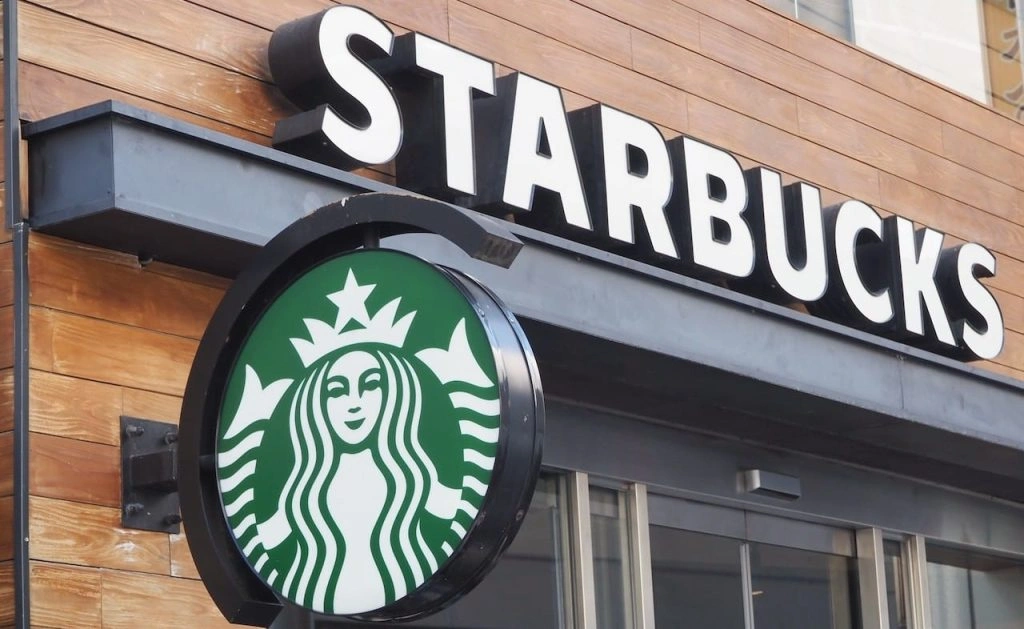
Starbucks continues to defend and resolve legal disputes involving employment practices, disability accommodations, wage claims, consumer advertising, and other business-related issues. Rather than one single lawsuit, the phrase “Starbucks Lawsuit 2026” generally refers to multiple ongoing or previously filed cases in different courts.
Some cases remain in active litigation, while others have been dismissed, settled confidentially, or resolved through arbitration. Court outcomes depend on the specific facts, evidence, and applicable employment or consumer protection laws.
As of 2026, there is no universal Starbucks settlement covering every employee or customer. Eligibility, compensation, and filing procedures vary depending on the lawsuit involved.
| Legal Topic | Current General Status |
|---|---|
| Labor lawsuits | Various cases remain active or have been resolved individually |
| Wage disputes | Multiple claims filed in different jurisdictions |
| Discrimination claims | Some cases continue through litigation |
| Disability lawsuits | Ongoing legal disputes in certain jurisdictions |
| Consumer lawsuits | Vary by product and legal allegations |
| Nationwide settlement | No universal settlement announced |
Individuals should rely on official court documents or settlement administrators rather than social media posts or unofficial websites when evaluating any claim opportunity.
What Is the Starbucks Lawsuit About?
There is no single legal dispute known as the Starbucks lawsuit. Instead, Starbucks has been involved in numerous legal proceedings over the years involving different plaintiffs, legal theories, and jurisdictions.
Employment-related lawsuits have received the greatest public attention. These cases often involve allegations concerning employee pay practices, scheduling, overtime, discrimination, workplace accommodations, and labor law compliance.
Consumer lawsuits have focused on advertising claims, product labeling, beverage ingredients, and marketing practices. In these cases, plaintiffs typically argue that consumers were misled about certain products or representations. Starbucks has frequently disputed these allegations and defended its practices in court.
Some lawsuits result in settlements without any admission of wrongdoing, while others proceed through lengthy litigation before a judge or jury reaches a decision. Simply filing a lawsuit does not establish legal liability.
For consumers and employees, understanding which specific lawsuit applies to their situation is essential before considering any legal action or claim submission.
Starbucks Class Action Lawsuit Explained
A class action lawsuit allows one or more individuals to represent a larger group of people who experienced similar alleged harm. Instead of thousands of separate lawsuits, eligible individuals may become members of a single certified class.
Starbucks has faced several proposed class actions involving employment practices, wage disputes, consumer advertising, and other legal issues. However, not every proposed class action receives certification from the court.
A court generally considers factors such as:
- Whether class members have similar legal claims.
- Whether common legal issues outweigh individual differences.
- Whether a class action is the most efficient method for resolving the dispute.
- Whether the proposed representatives can adequately protect the class.
Even after certification, a class action may be dismissed, settled, or proceed to trial. Any settlement normally requires court approval before eligible individuals receive notice or compensation.
Consumers should avoid assuming that every widely discussed Starbucks lawsuit automatically becomes a nationwide class action.
Starbucks Labor Lawsuit
Labor lawsuits involving Starbucks have attracted significant attention in recent years. These cases often concern workplace rights, employment conditions, scheduling practices, union-related disputes, and compliance with federal or state labor laws.
Some lawsuits have been filed by individual employees, while others involve government agencies or groups of workers alleging broader workplace violations. Starbucks has consistently stated that it seeks to comply with applicable labor laws and has defended itself against numerous allegations.
Labor disputes frequently depend on detailed employment records, company policies, witness testimony, and applicable labor regulations. Outcomes differ considerably from one jurisdiction to another.
Common Labor Violations Alleged
Although allegations vary among lawsuits, commonly reported issues include:
- Failure to properly compensate employees for all hours worked.
- Scheduling practices alleged to violate labor regulations.
- Overtime pay disputes.
- Meal and rest break violations.
- Retaliation following workplace complaints.
- Interference with legally protected labor activities.
- Recordkeeping and payroll compliance issues.
These allegations represent plaintiffs’ claims and must ultimately be evaluated through litigation, settlement negotiations, or other legal proceedings. Allegations alone do not establish that violations occurred.
Starbucks Wage Lawsuit
Wage-related lawsuits are among the most common employment claims filed against large employers, including Starbucks. These cases generally focus on whether employees received all wages required under federal, state, or local labor laws.
Plaintiffs have alleged issues involving unpaid overtime, missed meal or rest breaks, off-the-clock work, inaccurate payroll calculations, and wage statement violations. The legal standards governing these claims vary significantly depending on the jurisdiction.
Employers often dispute these allegations by arguing that payroll practices complied with applicable laws or that the claims do not accurately reflect workplace policies and employee records.
Whether an employee qualifies for compensation depends on the specific lawsuit, applicable labor statutes, and the facts of that individual’s employment.
Quick Eligibility Checklist for Wage Cases
An employee may potentially qualify for a wage-related claim if they experienced issues such as:
- Employment at Starbucks during the period covered by the lawsuit.
- Alleged unpaid overtime.
- Required off-the-clock work.
- Missed legally required meal or rest breaks.
- Payroll calculation errors.
- Wage statement inaccuracies.
- Other alleged violations covered by the applicable legal action.
Meeting one or more of these factors does not automatically establish eligibility. Final eligibility depends on the terms of the lawsuit, court rulings, or any approved settlement.
Starbucks Discrimination Lawsuit
Starbucks has also defended lawsuits alleging various forms of workplace discrimination. These cases may involve claims based on race, sex, age, disability, religion, pregnancy, or other legally protected characteristics under federal or state law.
Discrimination lawsuits typically require plaintiffs to present evidence that adverse employment actions were connected to a protected characteristic rather than legitimate business reasons. Employers generally have the opportunity to present evidence supporting their employment decisions.
Some disputes resolve through settlements or mediation, while others proceed to trial. Outcomes vary based on the available evidence, witness testimony, company policies, and applicable employment laws.
Because discrimination claims are highly fact-specific, legal results in one case should not be viewed as automatically applying to all employees.
Evidence Supporting Discrimination Claims
Evidence commonly considered in discrimination cases may include:
- Employment records.
- Performance evaluations.
- Internal communications.
- Witness statements.
- Company policies.
- Comparative treatment of similarly situated employees.
- Documentation of complaints made before adverse employment actions.
Courts review the complete factual record before determining whether unlawful discrimination occurred. A lawsuit filing alone does not establish liability.
Starbucks Disability Lawsuit
Disability-related lawsuits involving Starbucks generally focus on whether the company provided reasonable workplace accommodations required under disability discrimination laws. Under laws such as the Americans with Disabilities Act (ADA), employers must engage in an interactive process with qualified employees who request accommodations.
Claims in disability lawsuits may involve allegations that an employer failed to provide requested accommodations, treated an employee unfairly because of a disability, or took adverse employment actions after disability-related requests or medical issues.
Starbucks, like other large employers, may defend these claims by arguing that accommodations were provided, that requests were unreasonable, or that employment decisions were based on legitimate business reasons unrelated to disability status.
Each disability case depends on individual circumstances, including the employee’s medical limitations, job requirements, communication between the parties, and available workplace solutions.
Quick Eligibility Checklist for Disability Cases
A person may potentially have a disability-related claim if they experienced situations such as:
- Working for Starbucks during the relevant legal period.
- Having a qualifying disability under applicable laws.
- Requesting a workplace accommodation.
- Experiencing alleged discrimination after making a request.
- Facing termination, reduced hours, or other employment actions allegedly connected to disability issues.
- Having documentation supporting the accommodation request or employment dispute.
Eligibility depends on the specific lawsuit or settlement requirements. A complaint or personal experience alone does not guarantee compensation.
Starbucks False Advertising Lawsuit
False advertising lawsuits typically involve allegations that a company made inaccurate, misleading, or incomplete statements about its products or services. Consumer protection laws allow customers to challenge marketing claims if they believe those statements influenced their purchasing decisions.
Starbucks has faced consumer complaints and legal challenges related to product descriptions, ingredient claims, pricing practices, and marketing statements. However, not every complaint becomes a successful lawsuit, and allegations must be proven through evidence and legal proceedings.
In these cases, courts often examine the exact wording of advertisements, consumer expectations, product information, and whether the company’s statements could reasonably mislead customers.
Starbucks has generally maintained that its product descriptions and marketing practices comply with applicable consumer protection requirements.
Products Targeted in False Advertising Cases
Consumer claims involving Starbucks products may focus on issues such as:
- Beverage ingredient descriptions.
- Product labeling statements.
- Marketing claims about quality or sourcing.
- Promotional offers and pricing representations.
- Menu descriptions and customer expectations.
The outcome of any false advertising claim depends on factors such as the specific advertisement, applicable consumer laws, evidence presented, and court decisions.
Consumers should review official case information before assuming they qualify for any refund, settlement, or compensation.
Starbucks Cancer Lawsuit 2026: What Consumers Should Know
Searches for a “Starbucks cancer lawsuit 2026” often reflect consumer concerns about whether certain Starbucks products have been linked to health risks. These searches may involve discussions about ingredients, beverage contents, or broader food safety concerns.
A product complaint or online discussion does not automatically mean that a confirmed cancer lawsuit exists or that a court has found Starbucks responsible for causing harm.
Health-related product lawsuits generally require scientific evidence, expert testimony, medical documentation, and proof connecting a product to an alleged injury. Courts typically evaluate whether the available evidence supports the claims made by plaintiffs.
Consumers concerned about a product’s safety should rely on verified information from regulatory agencies, scientific research, and official legal documents rather than unverified online claims.
Am I Eligible for the Starbucks Lawsuit?
Eligibility depends on the specific Starbucks lawsuit involved. Since there are multiple legal disputes rather than one single nationwide case, requirements can differ significantly.
For employment lawsuits, eligibility may depend on factors such as job location, employment dates, hours worked, and the type of alleged violation. Consumer claims may require proof of purchase, product use, or membership in a defined settlement class.
People searching for Starbucks lawsuit claim information should first identify the exact case name, court location, and whether a settlement or certified class exists.
Common factors that may affect eligibility include:
- Whether you were directly affected by the alleged conduct.
- Whether you fall within the dates covered by the lawsuit.
- Whether you meet class membership requirements.
- Whether you have supporting records or documentation.
- Whether the court approved a claim process.
A lawsuit being discussed online does not automatically create a right to compensation.
Who Qualifies for a Starbucks Settlement?
A person qualifies for a Starbucks settlement only if they meet the requirements established in an approved settlement agreement or court order.
Settlement eligibility rules are usually clearly defined and may include specific employment periods, geographic locations, purchase requirements, or types of harm experienced.
Potential settlement members may receive official notices explaining:
- Who is included in the settlement class.
- How compensation is calculated.
- The deadline for filing a claim.
- Required documents.
- Options to participate, object, or exclude themselves.
If no settlement has been approved, there may be no official claim process available. Consumers and employees should be cautious of websites promising guaranteed Starbucks settlement money without official documentation.
Starbucks Settlement Amount
The potential Starbucks settlement amount depends entirely on the individual lawsuit, the number of eligible claimants, available funds, and the terms approved by the court.
There is no single Starbucks settlement amount that applies to every employee or customer. Different legal cases may involve different damages, legal fees, administrative costs, and distribution methods.
In many class action settlements, payments are calculated based on factors such as:
- Number of eligible participants.
- Length of employment or purchase history.
- Documented losses.
- Severity of alleged harm.
- Court-approved allocation formulas.
Settlement discussions or allegations do not guarantee that payments will be issued. A final amount usually becomes available only after a settlement agreement receives approval.
Starbucks Lawsuit Payout
A Starbucks lawsuit payout refers to compensation that eligible individuals may receive after a settlement or successful legal judgment. However, payout amounts vary widely because every case has different facts and legal standards.
Some claimants may receive modest individual payments, while others may receive larger amounts depending on the damages recognized by the court or settlement agreement.
Before receiving any payout, several steps generally occur:
- A settlement or judgment must be reached.
- Eligible individuals must be identified.
- Claims may need to be submitted.
- The court or settlement administrator reviews eligibility.
- Approved payments are distributed.
Anyone claiming to offer guaranteed Starbucks lawsuit payouts should be treated carefully unless they are connected to an official settlement administrator or court-approved process.
Starbucks Settlement: Current Status
The current status of Starbucks settlements varies depending on which lawsuit is being discussed. Some disputes may be ongoing, while others may have reached resolutions through agreements, dismissals, or court decisions.
There is no confirmed universal Starbucks settlement covering all employees or customers in 2026. Any legitimate settlement would normally include official court documentation, eligibility rules, deadlines, and instructions for submitting claims.
People researching Starbucks legal matters should verify information through:
- Court records.
- Official settlement websites.
- Government filings.
- Statements from involved parties.
- Licensed legal professionals.
Online posts and social media discussions can provide awareness but should not be considered proof of an active settlement opportunity.
How to Join the Starbucks Lawsuit
Joining a Starbucks lawsuit depends on whether a specific case has been certified as a class action, whether a settlement has been approved, or whether an individual legal claim must be filed separately.
For class action lawsuits, eligible individuals usually do not file a traditional lawsuit on their own. Instead, they may automatically become part of the class if they meet the requirements, or they may need to submit a claim form after receiving an official notice.
Employees or consumers who believe they were affected should first identify the exact lawsuit involved. Important details may include the court handling the case, the covered time period, the type of claim, and whether a settlement administrator has been appointed.
Before taking action, individuals should gather supporting information such as employment records, receipts, communications, pay documents, or other evidence related to the alleged issue.
Step-by-Step Filing Process
The general process for participating in a Starbucks lawsuit or settlement may include:
- Identify the correct legal case
Confirm that the lawsuit applies to your situation and that you meet the eligibility requirements. - Review official claim information
Read settlement notices, court documents, or instructions provided by an authorized administrator. - Collect supporting documents
Gather records that may support your claim, such as employment details, purchase information, or correspondence. - Complete the claim form if required
Provide accurate information and submit the form before the stated deadline. - Wait for review and approval
Claims are typically reviewed before any settlement payment or legal benefit is provided.
Submitting a claim does not guarantee compensation. Final decisions depend on eligibility rules and the outcome of the legal process.
Starbucks Lawsuit Claim Form
A Starbucks lawsuit claim form is typically used when a court-approved settlement requires eligible individuals to request compensation. The form allows the settlement administrator to verify whether a person qualifies and determine the appropriate payment amount.
Not every Starbucks legal dispute has a claim form. A claim process generally exists only after a settlement has been approved or a court establishes a formal procedure for affected individuals.
A legitimate claim form usually comes from an official settlement administrator, court-approved website, or legal notice sent to eligible participants.
Individuals should be cautious of unofficial websites requesting personal information while claiming to offer Starbucks lawsuit payments.
Required Fields for Employment Claims
Employment-related claim forms may request information such as:
- Employee name and contact details.
- Starbucks employment location.
- Dates of employment.
- Job position or role.
- Hours worked during the relevant period.
- Details about alleged wage or workplace issues.
- Supporting documents, if required.
The exact requirements depend on the specific lawsuit. Employees should only provide information through verified claim channels.
Required Fields for Consumer Claims
Consumer claim forms may request details such as:
- Name and contact information.
- Purchase information.
- Product details.
- Approximate purchase dates.
- Proof of purchase when required.
- Description of the alleged issue.
- Confirmation of eligibility requirements.
Some settlements may allow claims without receipts, while others may require documentation. The settlement agreement determines what evidence is necessary.
Starbucks Lawsuit Deadline 2026
The deadline for a Starbucks lawsuit claim depends on the individual case. There is no single Starbucks lawsuit deadline that applies to every legal dispute involving the company.
Settlement deadlines are usually established after court approval and are included in official notices sent to eligible participants. Missing a deadline may result in losing the ability to receive compensation from that settlement.
Important dates may include:
| Deadline Type | Purpose |
|---|---|
| Claim submission deadline | Last day to file a valid claim |
| Exclusion deadline | Date to opt out of a class action |
| Objection deadline | Date to challenge settlement terms |
| Final approval hearing | Court review of settlement agreement |
| Payment distribution date | Estimated time payments are issued |
Anyone researching a possible claim should verify deadlines through official legal documents rather than relying on social media posts or third-party websites.
How to Claim Starbucks Settlement Money
Claiming Starbucks settlement money generally requires completing the official settlement process. If a settlement has been approved, eligible individuals usually receive instructions explaining how to participate.
The process often involves confirming eligibility, submitting required information, and waiting for the settlement administrator to review the claim.
General steps may include:
- Finding the official settlement notice.
- Checking whether you qualify.
- Completing the required claim form.
- Providing accurate supporting information.
- Submitting the claim before the deadline.
- Waiting for approval and payment processing.
Settlement payments are usually distributed only after all required legal approvals are completed. The timing can vary depending on court proceedings, appeals, and administrative review.
What Happens After You Submit a Claim?
After submitting a Starbucks lawsuit claim form, the settlement administrator or responsible legal authority typically reviews the information provided.
The review process is designed to determine whether the claimant meets the requirements established by the settlement agreement or court order.
A submitted claim does not automatically mean payment will be issued. Claims may be approved, rejected, or require additional information before a final decision is made.
Claim Review
During claim review, administrators generally examine:
- Whether the claimant submitted information before the deadline.
- Whether the claimant meets class or eligibility requirements.
- Whether submitted details match available records.
- Whether required documents were provided.
If information is incomplete, claimants may receive requests for clarification or additional documentation.
Eligibility Verification
Eligibility verification determines whether a person qualifies under the lawsuit terms.
This process may involve reviewing:
- Employment records.
- Purchase history.
- Geographic requirements.
- Covered dates.
- Other conditions listed in the settlement agreement.
A person may be excluded if they do not meet the legal requirements, even if they experienced a similar issue.
Settlement Approval
Before payments are issued, many class action settlements require court approval.
A judge typically reviews whether:
- The settlement is fair.
- Class members were properly notified.
- The agreement follows legal requirements.
- The proposed distribution method is reasonable.
Approval may take time, especially if objections or appeals are filed.
Payment Distribution
After final approval and claim processing, settlement payments are distributed to approved claimants.
Payment timing depends on factors such as:
- Number of claims submitted.
- Administrative processing time.
- Court approval status.
- Resolution of appeals.
- Available settlement funds.
Approved claimants may receive payments through methods established by the settlement administrator, such as checks, electronic payments, or other approved options.
Starbucks Lawsuit Update
The latest Starbucks lawsuit update depends on which legal matter is being followed. Starbucks has faced different lawsuits involving employment, consumer issues, and business practices, but these cases do not represent one single legal action.
Consumers and employees should separate confirmed legal developments from online rumors. A lawsuit filing, complaint, or social media discussion does not mean that a company has been found responsible.
The most reliable sources for updates include:
- Court filings.
- Official settlement notices.
- Government agency announcements.
- Statements from involved parties.
- Court decisions.
Legal outcomes often change as cases move through discovery, negotiations, hearings, and appeals. Anyone affected by a potential Starbucks lawsuit should review official information specific to their situation.
Read: Celsius Drink Cancer Lawsuit
Read: Breo Ellipta Lawsuit
Read: 100 Day Dream Home Lawsuit
Read: Sierra Mist Trademark Lawsuit
Read: Yellow Freight Lawsuit
Read: Mallinckrodt Adderall Lawsuit
Read: Method Body Wash Lawsuit
Read: Native Hair Loss Lawsuit
Read: Samsung S22 Software Update Lawsuit
Frequently Asked Questions
Is there a Starbucks lawsuit in 2026?
Yes, Starbucks has been involved in various legal disputes, but there is not one single lawsuit covering all claims. Different cases involve different allegations, parties, and legal processes.
Has Starbucks reached a settlement in 2026?
Settlement status depends on the specific lawsuit. A nationwide Starbucks settlement covering all customers or employees has not been confirmed. Official court documents provide the most accurate information.
Can Starbucks employees receive lawsuit compensation?
Some employees may qualify for compensation if they are included in an approved settlement or successful legal claim. Eligibility depends on employment details and the requirements of the specific case.
How do I know if I qualify for a Starbucks lawsuit claim?
Qualification depends on factors such as the type of lawsuit, dates involved, location, and evidence supporting the claim. Individuals should review official settlement information before submitting a claim.
Are Starbucks lawsuit payout amounts guaranteed?
No. Payout amounts depend on the specific settlement agreement, number of eligible claimants, available funds, and court-approved distribution rules.
Final Thoughts
The term Starbucks Lawsuit 2026 refers to multiple legal issues rather than one universal case. Employment disputes, consumer claims, advertising allegations, and other lawsuits may involve different facts, legal standards, and outcomes.
While lawsuits and complaints may receive public attention, allegations are not the same as proven violations. Court decisions depend on evidence, legal arguments, and the specific circumstances of each case.
Anyone researching a possible Starbucks claim should verify information through official court records, settlement notices, or authorized legal sources. Eligibility, settlement amounts, and claim deadlines can change depending on the progress of each legal matter.
Understanding the difference between confirmed legal developments and unverified online claims is essential when evaluating any potential lawsuit or settlement opportunity.