
Chobani is one of the best-known Greek yogurt brands in the United States, but its products have also been involved in several legal disputes over the years. The Chobani yogurt lawsuit search does not refer to one single case. It can lead to older labeling litigation, newer false-advertising claims, and ongoing disputes involving specific product representations.
Consumers searching this topic often want to know whether a class action is active, whether Chobani has reached a settlement, whether compensation is available, and whether an official claim form exists. Those questions require distinguishing older cases from litigation that remains active in 2026.
This guide explains the major allegations, Chobani’s responses, the current status of relevant cases, and what consumers should verify before assuming they qualify for a payment. The supplied brief specifically requires separating allegations from established facts and avoiding unsupported settlement claims.
What Is the Chobani Yogurt Lawsuit?
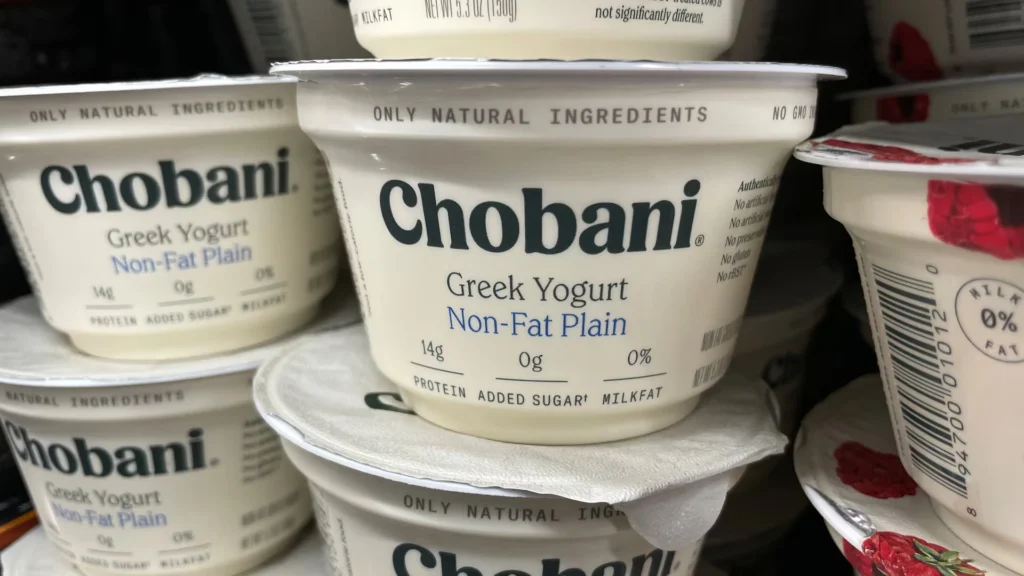
The phrase “Chobani yogurt lawsuit” can describe multiple lawsuits involving Chobani products rather than a single nationwide case. These disputes have included allegations concerning ingredient descriptions, “natural” representations, sugar-related labeling, and other statements made on yogurt packaging.
One significant older case was Kane v. Chobani. Consumers alleged that certain Chobani yogurt labels were deceptive because they used terms such as “natural” and “evaporated cane juice.” In 2016, the Ninth Circuit directed that the litigation be stayed while the FDA addressed regulatory questions surrounding those terms.
More recent litigation has created renewed interest. In Wysocki v. Chobani, filed in California, a plaintiff challenged “Only Natural Ingredients” representations after third-party testing allegedly detected trace levels of several phthalates in certain plain Greek yogurt products. In April 2026, the court granted Chobani’s dismissal motion in part and denied it in part while permitting an amended complaint.
Separately, litigation concerning Chobani Zero Sugar has challenged whether “Zero Sugar” labeling is misleading because the products contain allulose. That dispute remains particularly relevant in 2026.
Why Has Chobani Faced Legal Challenges?
Chobani’s legal disputes largely involve a recurring question in food law: what will a reasonable consumer understand from the words and claims printed on a package?
Food manufacturers must comply with federal labeling requirements while also navigating state consumer-protection and false-advertising laws. A label can therefore generate litigation even when the underlying product itself is not alleged to be defective.
Claims involving Chobani have touched on issues such as:
- Whether certain ingredient descriptions could mislead reasonable buyers.
- Whether “natural” representations accurately communicate a product’s characteristics.
- Whether a “Zero Sugar” statement is appropriate when allulose is used.
- Whether packaging representations omit information consumers consider material.
- Whether consumers paid a price premium because of an allegedly misleading representation.
The existence of a lawsuit does not establish that Chobani violated the law. These are allegations that must be evaluated through motions, evidence, regulatory standards, and potentially trial.
What Claims and Allegations Have Been Made Against Chobani?
The allegations have varied significantly from case to case. That distinction matters because an allegation involving one yogurt line should not automatically be applied to every Chobani product.
Older litigation focused heavily on labeling terminology. Plaintiffs questioned representations such as “natural” and the use of “evaporated cane juice” as an ingredient description. The Ninth Circuit’s handling of Kane illustrates how closely these disputes can depend on FDA policy and regulatory interpretation.
More recent litigation has addressed different issues. The Wysocki complaint concerns alleged trace phthalates and “Only Natural Ingredients” representations, while the Zero Sugar litigation focuses on allulose and the meaning consumers may assign to a zero-sugar statement.
In June 2026, Chobani also faced litigation from Danone concerning protein-content marketing for a 20G Protein yogurt line. Danone alleges that Chobani’s serving-size presentation makes the product appear to deliver a comparable 20 grams of protein under circumstances Danone considers misleading. Those allegations are separate from the consumer class actions discussed here.
Chobani Yogurt Class Action Lawsuit Explained
A class action allows one or more named plaintiffs to seek relief on behalf of a proposed group of consumers who allegedly experienced substantially similar harm. Filing a complaint as a proposed class action does not mean that a court has certified the class.
This distinction is particularly important when researching Chobani. Several lawsuits may be described online as “class actions” even though they are at different procedural stages.
| Issue | General Status/Context |
|---|---|
| Older “natural”/ingredient labeling litigation | Historical litigation involving FDA labeling questions |
| Plain Greek yogurt natural-ingredient case | Litigation continued through motion practice in 2026 |
| Zero Sugar labeling case | Revived on appeal in July 2026 |
| 2013 product recall | Historical recall, not the same as current class-action litigation |
| Automatic consumer payout | No single universal Chobani payout established by these cases |
Consumers should therefore identify the case name, product, purchase period, court, and settlement status before relying on a website claiming that “Chobani is paying consumers.”
Chobani “Greek Yogurt” Labeling Lawsuit
Chobani’s earlier legal history includes litigation over how its yogurt was labeled and marketed. One of the best-known disputes, Kane v. Chobani, involved allegations concerning “natural” representations and “evaporated cane juice.”
The litigation demonstrates why food-labeling lawsuits can become technically complex. Federal courts sometimes defer to the FDA when a dispute turns on terminology that falls within the agency’s regulatory expertise.
In 2016, the Ninth Circuit vacated a dismissal order and instructed the district court to stay proceedings while the FDA addressed issues involving “natural” and “evaporated cane juice.”
What Consumers Alleged About the “Greek Yogurt” Label
Consumers in food-labeling litigation generally argue that they purchased a product based on representations they understood to communicate particular characteristics.
In the Kane litigation, the core allegations described by the Ninth Circuit concerned Chobani’s “natural” representations and its use of “evaporated cane juice” to describe an added sugar ingredient. Plaintiffs alleged those practices were deceptive or unlawful.
It is more accurate to characterize the case through those specific labeling allegations than to suggest that a court broadly ruled Chobani could not call its products Greek yogurt.
How Chobani Responded to the Claims
Chobani contested the plaintiffs’ legal theories rather than accepting that its labeling was deceptive.
The procedural history also shows the importance of federal food-labeling regulation. Courts had to consider whether issues involving terminology should first be addressed by the FDA under the primary-jurisdiction doctrine.
A defendant’s request to dismiss a lawsuit likewise does not prove the underlying allegations false. It asks the court to determine whether the plaintiff has legally sufficient claims that may proceed.
Chobani “Natural” Ingredients and Labeling Lawsuit
“Natural” claims have been a recurring source of food-labeling litigation throughout the industry, including disputes involving Chobani.
The current Wysocki litigation is particularly relevant. According to the April 2026 federal court order, the plaintiff challenged Chobani Greek Yogurt Nonfat Plain and Greek Yogurt Whole Milk Plain products carrying an “Only Natural Ingredients” representation. The complaint relied partly on testing that allegedly detected trace amounts of four phthalates.
The court’s April 2026 decision did not establish that Chobani’s yogurt was unsafe or that every allegation was true. It granted Chobani’s motion in part, denied it in part, and allowed the plaintiff to file an amended complaint.
Natural Flavor Claims
“Natural” terminology can influence purchasing decisions because some consumers associate it with limited processing or the absence of particular substances.
Legally, however, the analysis is more complicated than asking whether an ingredient sounds natural. Courts may examine the exact wording, the overall package, federal regulations, reasonable-consumer expectations, and the plaintiff’s specific theory of deception.
Consumers should therefore avoid interpreting a lawsuit challenging a “natural” statement as proof that an entire product line contains unlawful ingredients.
Added Sugar and Sweetener Concerns
Sugar and sweetener labeling has generated a separate legal controversy involving Chobani Zero Sugar.
The key ingredient is allulose, a sweetener that has been treated differently from conventional sugars for nutrition-labeling purposes. A federal district judge dismissed the proposed Zero Sugar class action in May 2025, finding Chobani’s treatment of allulose consistent with the FDA’s position.
That was not the end of the case. In July 2026, a federal appeals court reinstated the proposed class action, allowing consumers to continue pursuing allegations that the Zero Sugar representation could mislead consumers.
Ingredient Disclosure Issues
Ingredient-disclosure lawsuits frequently depend on whether information was legally required, where it appeared, and how a reasonable buyer would interpret the package as a whole.
That means the presence of an ingredient or substance does not automatically create liability. Plaintiffs generally must connect the challenged representation to an actionable legal theory and demonstrate injury, such as paying money they allegedly would not otherwise have spent.
Chobani can challenge those theories through regulatory preemption arguments, reasonable-consumer standards, causation, standing, and other defenses.
Chobani Vanilla Yogurt Lawsuit and Flavoring Claims
Consumers searching for a “Chobani vanilla yogurt lawsuit” may encounter broader food-labeling cases concerning vanilla representations and flavoring. However, search results and class-action websites can combine distinct disputes, products, and legal theories.
A package containing the word “vanilla” does not by itself establish that the product must derive all of its flavor exclusively from vanilla beans. Whether a representation is misleading depends on the precise label, ingredient list, applicable regulations, and allegations in the particular complaint.
For that reason, consumers should identify an actual court case before assuming that a specific Chobani vanilla product is covered by a settlement.
The same caution applies to compensation claims. A lawsuit involving flavor terminology does not automatically create a refund program or settlement fund for everyone who purchased vanilla yogurt.
Chobani Zero Sugar Lawsuit: What Was the Dispute About?
The Chobani Zero Sugar dispute is one of the most important current cases for consumers following the company’s litigation.
Consumers allege that “Zero Sugar” is misleading because the yogurt contains allulose. Chobani has argued that its labeling complies with the FDA’s treatment of allulose. In May 2025, an Illinois federal judge dismissed the proposed class action and sided with Chobani’s regulatory argument.
The legal position changed substantially on July 28, 2026. A federal appeals court reinstated the proposed class action, allowing the plaintiffs’ challenge to continue. The ruling means the plaintiffs can pursue their case; it does not mean they have already proven liability or secured compensation.
As of August 2026, this distinction is crucial. Articles saying the Zero Sugar lawsuit was simply “dismissed” are now outdated, while claims that consumers have already won a settlement would also be premature.
Chobani Yogurt Recall: Is It Connected to a Lawsuit?
A product recall and a class-action lawsuit are different legal and regulatory events.
Chobani did conduct a significant voluntary Greek yogurt recall in September 2013. Products from its Twin Falls, Idaho facility were recalled after reports involving bloating or swelling of containers and some claims of illness. The recall covered specified products and date codes and was conducted with the FDA’s knowledge.
That historical recall should not be presented as if it were the basis of every current Chobani lawsuit.
Likewise, the existence of current labeling litigation does not mean that Chobani yogurt generally is subject to a new nationwide recall. Consumers concerned about a particular product should verify current notices through official food-safety and manufacturer channels rather than relying on old recall stories.
Chobani Product Safety and Consumer Complaints
Consumer complaints can help identify patterns, but complaints are not equivalent to verified safety findings or judicial conclusions.
Historically, the 2013 recall involved reports of swollen or bloated containers and some illness claims. Government notices confirm that Chobani voluntarily recalled affected products and stopped their distribution while investigating the issue.
More recent litigation has raised different concerns. In Wysocki, third-party testing allegedly identified trace levels of DEHP, DBP, DEHT, and DEP in certain plain Greek yogurt products. Those testing allegations form part of the plaintiff’s false-advertising theory and should not be reported as a judicial finding that the products are unsafe.
Anyone experiencing an apparent food-related illness should treat that as a health issue rather than relying on litigation websites to determine whether a product caused the symptoms.
What Do Chobani Reviews and Consumer Reports Reveal?
Online Chobani reviews cover everything from taste and texture to sweetness, packaging, consistency, and individual product preferences. These experiences can provide useful consumer context but have limited evidentiary value in determining legal liability.
A negative review does not prove false advertising, contamination, or statutory violations. Likewise, positive reviews do not resolve allegations raised in litigation.
Courts evaluate evidence under legal standards. That can include packaging, regulatory materials, purchase records, expert testimony, laboratory evidence, consumer surveys, and other admissible information.
Consumers researching the litigation should therefore separate three categories: verified court developments, allegations contained in complaints, and informal consumer experiences.
Is There an Active Chobani Class Action Lawsuit in 2026?
Yes. There is active or recently revived proposed class-action litigation involving Chobani in 2026. However, there is not one universal Chobani class action covering every yogurt buyer.
Most notably, the proposed Zero Sugar class action was reinstated by a federal appeals court on July 28, 2026 after having previously been dismissed by the district court. The plaintiffs may therefore continue pursuing their allegations.
The Wysocki litigation involving “Only Natural Ingredients” representations also saw significant activity in 2026. In April, a Southern District of California judge granted Chobani’s motion to dismiss in part and denied it in part, while allowing an amended complaint.
These procedural developments do not mean a class has necessarily been finally certified or that compensation has been authorized.
Chobani Lawsuit Update 2026: Where Things Stand
As of August 2026, several developments are important.
First, the Zero Sugar litigation is again active after the federal appellate ruling on July 28, 2026. The appeals court’s decision reversed the practical effect of the earlier dismissal and allows the consumer allegations to move forward.
Second, Wysocki v. Chobani remains relevant to consumers researching the “Only Natural Ingredients” controversy. An April 2026 federal order allowed portions of the litigation to continue and permitted amendment of the complaint.
Third, Danone filed a separate lawsuit in June 2026 challenging protein-content representations involving Chobani’s 20G Protein line. That business-to-business dispute should not be confused with a consumer settlement program.
The overall picture is therefore one of ongoing litigation rather than a single completed nationwide settlement.
Who May Qualify for a Chobani Yogurt Settlement?
Eligibility cannot be determined until a particular settlement exists and its class definition is established.
If a consumer class action eventually settles, eligibility could depend on factors such as:
- The exact Chobani product purchased.
- Where the consumer purchased it.
- The dates of purchase.
- Whether the settlement class covers that state.
- Whether proof of purchase is required.
- Whether the consumer previously excluded themselves from the class.
- Whether a claim is submitted before the official deadline.
A person who purchased one Chobani product would not automatically qualify for a settlement involving another product line.
Consumers should wait for a court-authorized settlement notice or administrator website before assuming they are eligible.
Has a Chobani Lawsuit Settlement Been Reached?
There is no basis to treat the major current 2026 Chobani yogurt disputes discussed above as one finalized nationwide consumer settlement.
The Zero Sugar case was reinstated in July 2026, meaning litigation continues rather than having reached a final compensation stage.
Similarly, the April 2026 Wysocki ruling addressed a motion to dismiss and amendment of pleadings, not final settlement approval.
Older Chobani disputes may have different procedural histories, so consumers should not assume that information about one lawsuit applies to another.
A genuine class-action settlement normally generates identifiable documentation: a settlement agreement, preliminary-approval order, class notice, deadlines, administrator information, and eventually a final-approval process.
Chobani Settlement Amount: How Much Could Consumers Receive?
There is currently no single verified settlement amount applicable to all consumers searching for the Chobani yogurt lawsuit.
A proposed class action can request damages without establishing how much any individual consumer will eventually receive. The final amount, if a settlement occurs, can depend on the size of the settlement fund, attorneys’ fees and costs, administrative expenses, number of valid claims, and the distribution formula.
For example, a complaint seeking damages is not equivalent to a court ordering Chobani to pay that amount.
Consumers should be skeptical of pages advertising a specific Chobani settlement fund unless that figure can be traced to an actual settlement agreement or court order.
Chobani Lawsuit Payout Per Person
No universal Chobani lawsuit payout per person has been established for the ongoing cases discussed here.
If a class settlement is eventually approved, individual payments could depend on the number of eligible products purchased and whether documentation is available. Some consumer settlements establish a fixed payment; others use points, tiers, reimbursement limits, or pro-rata distributions.
Until settlement terms are filed and approved, estimating a payment per consumer would be speculative.
This is especially important for the Zero Sugar case. Its July 2026 revival permits litigation to proceed, but an appellate decision allowing claims to continue is not the same thing as approving damages or issuing settlement checks.
Is There a Chobani Lawsuit Claim Form?
Consumers should not assume that a current claim form exists simply because a proposed class action is active.
A claim form generally becomes relevant after parties reach a settlement and a court grants preliminary approval. The settlement administrator then publishes instructions explaining who qualifies, what information is required, and when claims must be submitted.
For the major ongoing Chobani cases discussed in this article, the current procedural developments should not be confused with an approved universal claims process.
Any website requesting sensitive personal information while promising an immediate Chobani payout should therefore be independently verified before information is submitted.
Where to Find an Official Claim Form
If an official Chobani settlement claim form becomes available, the safest starting points are the relevant federal court docket, a court-authorized settlement administrator, and notices specifically approved in the litigation.
Consumers should verify:
- The exact case name.
- The court handling the litigation.
- The settlement administrator.
- The products included.
- The class period.
- Filing deadlines.
- Whether documentation is required.
A website appearing in a Google search is not automatically an authorized settlement site.
Information Claimants May Need
The requirements vary by settlement, but consumer-product claims commonly request basic identifying information and details concerning purchases.
A claimant may need the product name, approximate number of purchases, dates or purchase period, retailer information, and proof such as receipts if required by the settlement.
Some settlements permit claims without receipts up to a specified limit. Others require documentation for particular reimbursement tiers.
Consumers should provide only the information requested by the authorized administrator and should never pay a fee merely to submit an ordinary class-action settlement claim.
Claim Filing Deadlines
Every approved class settlement has its own deadlines.
Common dates can include the deadline for filing a claim, objecting to the settlement, excluding yourself from the class, and attending or commenting before a final-approval hearing.
Missing the claim deadline can result in losing eligibility for payment even if the consumer otherwise falls within the settlement class.
Because the current litigation discussed above has not produced one universal Chobani claims deadline, any specific deadline circulating online should be matched to the exact case before a consumer relies on it.
How to Check the Status of a Chobani Settlement or Claim
Start by identifying which Chobani case you are actually researching. Searching only the company’s name can produce results about unrelated lawsuits, recalls, competitor disputes, and historical litigation.
Once the case is identified, check federal court records and any court-authorized settlement website. Look for orders discussing class certification, preliminary settlement approval, final approval, appeals, and distribution.
For current context, the Zero Sugar proposed class action was reinstated on July 28, 2026, while Wysocki had an important motion-to-dismiss ruling in April 2026.
If you already submitted a claim in a legitimate settlement, use the administrator’s official contact system rather than submitting duplicate forms through third-party websites.
How Food Labeling Class Action Lawsuits Typically Work
Food-labeling class actions commonly begin when consumers allege that a package representation influenced their purchasing decision.
Plaintiffs may argue that they would not have bought the product—or would have paid less—had the disputed information been presented differently. Defendants can respond that the label is accurate, complies with federal requirements, or would not mislead a reasonable consumer.
Cases can then move through dismissal motions, discovery, class certification, summary judgment, trial, settlement negotiations, or appeals.
A significant percentage of the legal battle can occur before a court ever reaches the ultimate merits of the allegations.
False Advertising Claims
False-advertising claims generally challenge statements or impressions allegedly capable of misleading consumers.
A plaintiff usually needs more than a personal dislike of the wording. The challenged representation must satisfy the requirements of the applicable consumer-protection or advertising law.
Chobani’s Zero Sugar litigation illustrates this process. The parties disagree over the interaction between the label, allulose, FDA policy, and consumer expectations. The appellate court’s 2026 ruling permits the dispute to continue rather than deciding that consumers have already prevailed.
Misleading Labeling Allegations
A misleading-labeling theory can focus on technically accurate words that allegedly create a deceptive overall impression.
Courts may evaluate the front label, ingredient panel, nutrition information, images, qualifying language, and regulatory framework. Context is therefore important.
This explains why labeling cases are difficult to summarize from headlines alone. A headline stating that a company was “sued over its label” says little about whether the case survived dismissal, obtained class certification, settled, went to trial, or was later reversed on appeal.
Consumer Protection Claims
State consumer-protection statutes frequently provide the legal foundation for food-labeling class actions.
Depending on the jurisdiction, plaintiffs may need to establish deceptive conduct, reliance or causation, economic injury, and other statutory requirements.
The applicable law can also influence whether consumers from multiple states can proceed together. Differences among state statutes are one reason proposed nationwide classes sometimes face significant certification challenges.
Even when plaintiffs survive a dismissal motion, they still may have substantial evidentiary and procedural hurdles before obtaining damages.
Settlement and Claim Process
If the parties negotiate a settlement, the process does not normally move directly to payments.
The court generally reviews the proposed agreement first. If preliminary approval is granted, eligible class members receive notice and an opportunity to file claims, object, or exclude themselves where applicable.
After the claims period and final-approval proceedings, unresolved appeals or administrative work can delay distribution further.
That is why a settlement announcement and a payout date are not necessarily close together. Consumers should rely on the official administrator for payment timing once a settlement actually reaches that stage.
What Chobani Consumers Should Know Going Forward
The most important point is that “Chobani lawsuit” currently covers multiple separate legal disputes.
Consumers following the Zero Sugar litigation should know that the proposed class action was revived by a federal appeals court in July 2026. Those following the “Only Natural Ingredients” case should distinguish the allegations in Wysocki from any claim that a court has found Chobani yogurt generally unsafe.
The 2013 recall is another separate event. It involved specified products and date codes and should not be treated as evidence of a current nationwide recall.
Keep purchase records if you believe you may eventually fall within a settlement class, but do not submit personal information to unofficial claim sites or assume compensation is guaranteed.
Read: Anthony Mark Haskins Lawsuit QVC
Read: Manny Khoshbin Lawsuit
Read: HexClad Lawsuit 2026
Read: McDonald’s 100% Beef Lawsuit
Read: Monday Shampoo Lawsuit
Read: Starbucks Lawsuit 2026
Read: Temu Lawsuit Claim Form Online
Frequently Asked Questions
Is there currently a lawsuit against Chobani?
Yes. Chobani has been involved in multiple legal disputes, and proposed consumer class-action litigation remains relevant in 2026. Most notably, a federal appeals court reinstated the Chobani Zero Sugar proposed class action in July 2026.
What is the Chobani Zero Sugar lawsuit about?
Consumers allege that the “Zero Sugar” representation is misleading because the products contain allulose. Chobani disputes that theory and has relied on the FDA’s treatment of allulose. After a district court dismissal in 2025, the proposed class action was revived on appeal in July 2026.
Has Chobani agreed to a settlement in 2026?
No single finalized nationwide settlement has been established for the major ongoing consumer cases discussed here. Current litigation activity, including the revived Zero Sugar case, should not be confused with final settlement approval.
How much is the Chobani lawsuit payout?
There is no verified universal payout amount for consumers in the ongoing litigation covered here. Any eventual payment would depend on whether a settlement or judgment occurs and on the terms governing the eligible class.
Is there a Chobani settlement claim form?
There is no universal claim form simply because Chobani is facing litigation. Consumers should only use a claim form tied to an identifiable, court-authorized settlement and should verify the case name, administrator, eligibility period, and filing deadline.
Final Thoughts
The Chobani yogurt lawsuit is best understood as a collection of separate legal disputes rather than one nationwide case covering every Chobani product. Over the years, litigation has involved labeling terminology, natural-ingredient representations, sweeteners, and other advertising claims.
The most important 2026 development involves the Chobani Zero Sugar litigation. After the proposed class action was dismissed in 2025, a federal appeals court revived it in July 2026, allowing the plaintiffs to continue pursuing their claims. That ruling does not establish liability or guarantee a settlement payment.
Consumers should also avoid confusing current litigation with Chobani’s historical 2013 recall or assuming that every lawsuit has produced a claim form. Until a court-approved settlement establishes eligibility, deadlines, and compensation terms, specific payout claims should be treated cautiously.
Anyone following these cases should rely on court records and authorized settlement notices for updates. Legal outcomes ultimately depend on the evidence, applicable law, procedural rulings, and decisions made by the courts.